



















I'd been snoring for years - getting worse every year. My wife started wearing earplugs. Then she moved to the guest room. When she said 'this can't continue,' I knew she wasn't talking about the earplugs.
My doctor diagnosed mild obstructive sleep apnea and moderate GERD. The acid reflux was waking me up with a burning throat at 3 AM. The snoring was waking my wife up at midnight. Between the two of us, nobody in our house was sleeping.
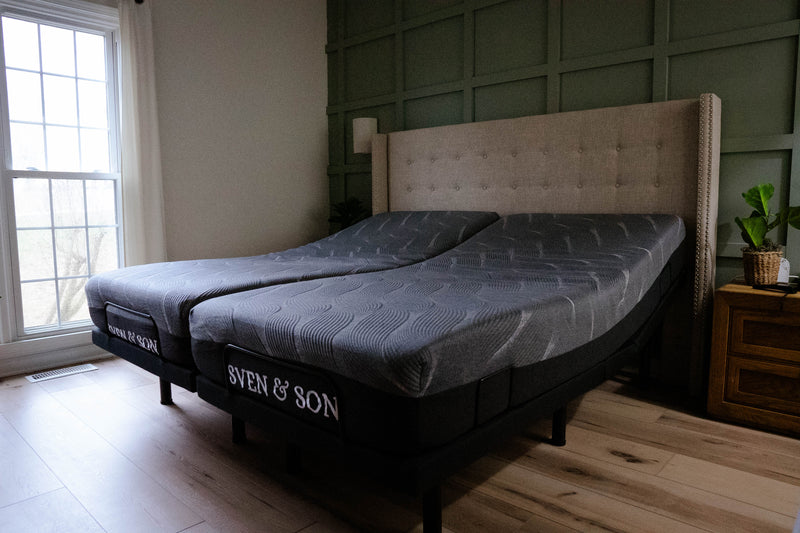
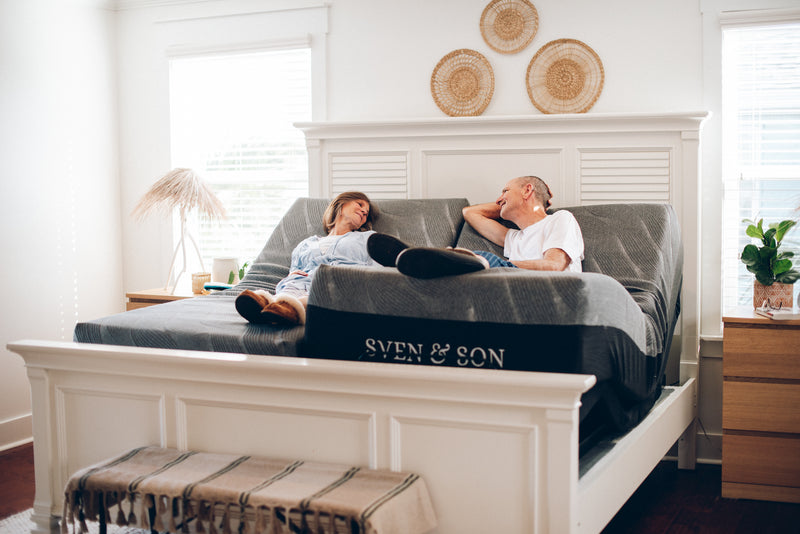
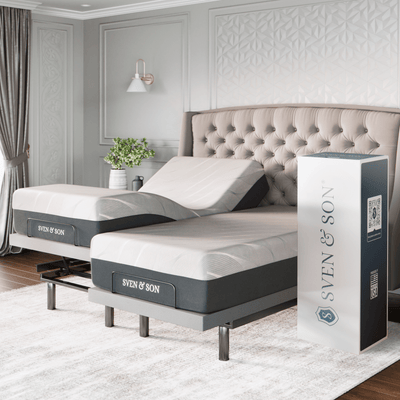
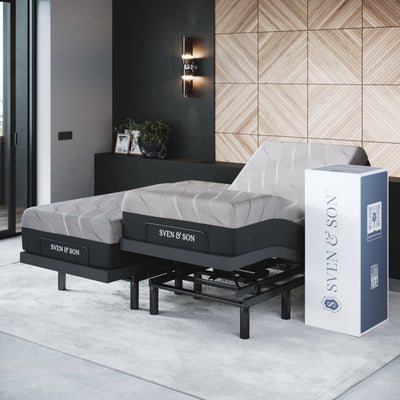
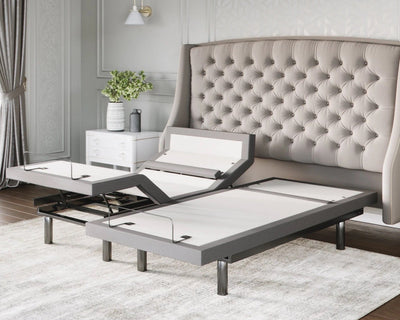
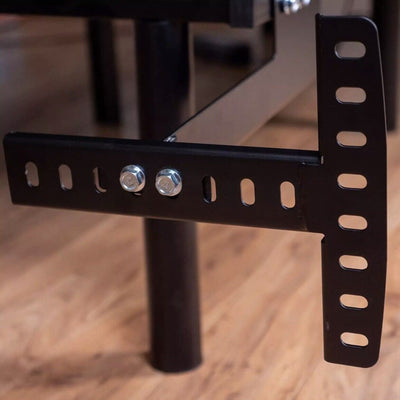
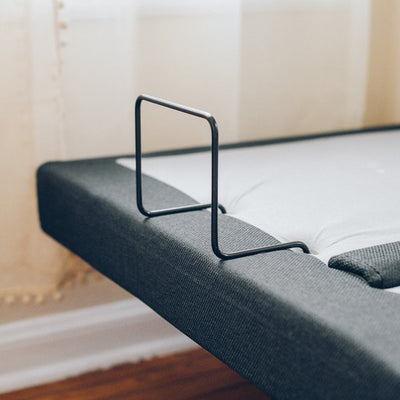
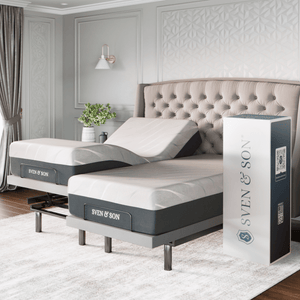
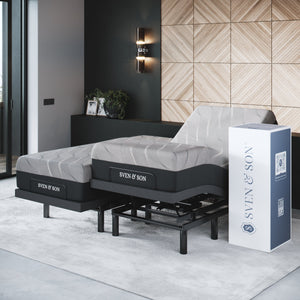
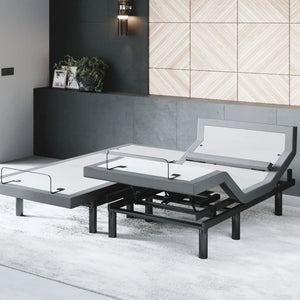
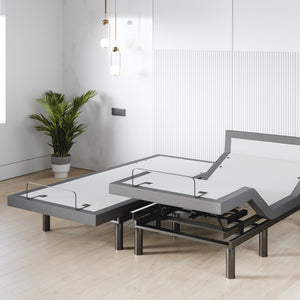
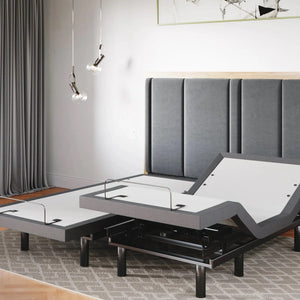
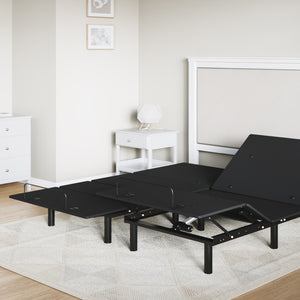
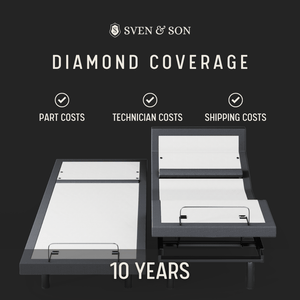
"He recommended a CPAP machine ($2,500-3,500) or an adjustable bed that could elevate my head. My wife found the bed. I'm glad she did."
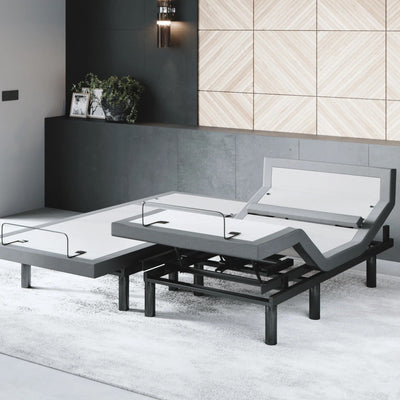
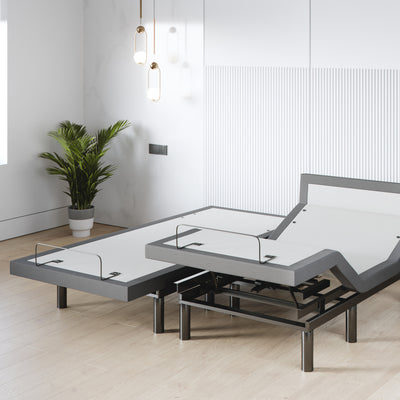
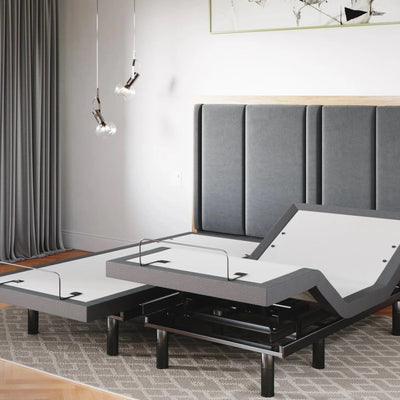
The science is straightforward: elevating your head 10-20 degrees opens your airway passage and reduces soft tissue collapse that causes snoring. For GERD, the elevation keeps your esophagus above your stomach, so acid physically can't rise. No medication, no machine strapped to your face.

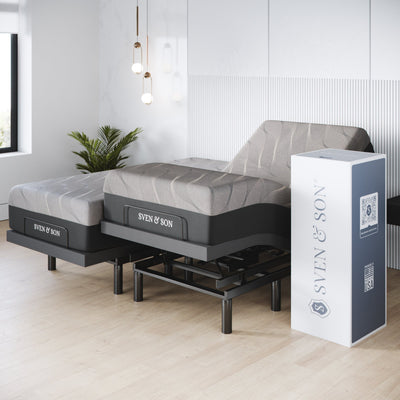
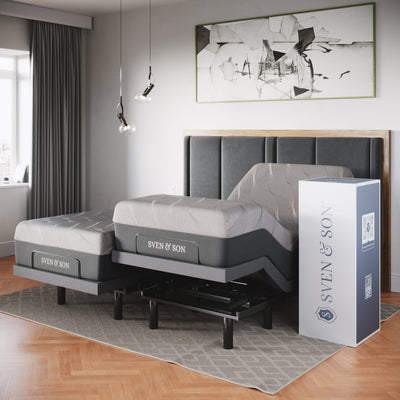
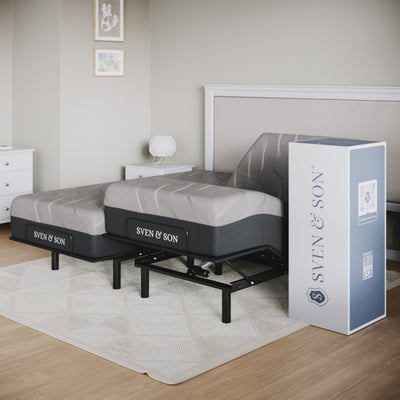
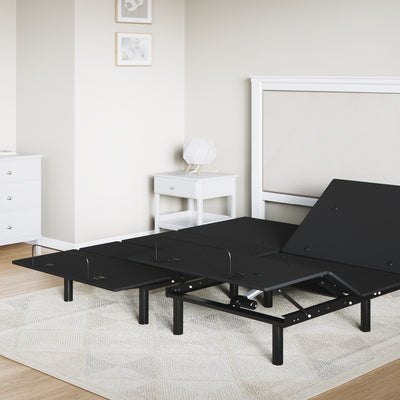
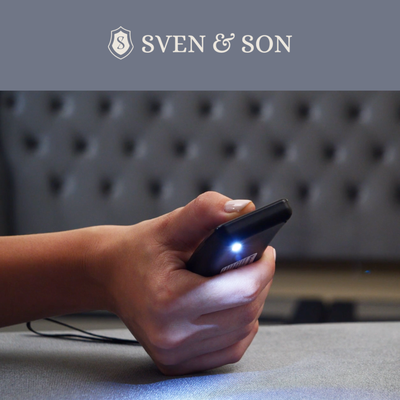
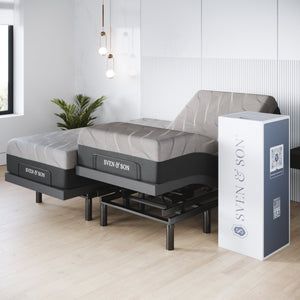
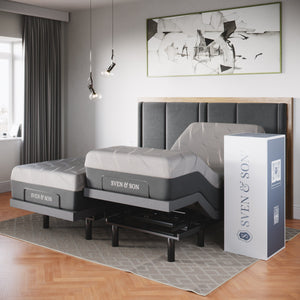
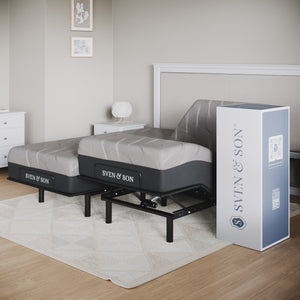
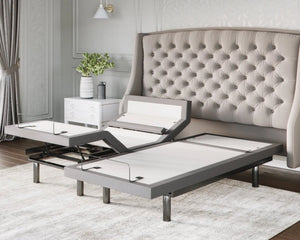
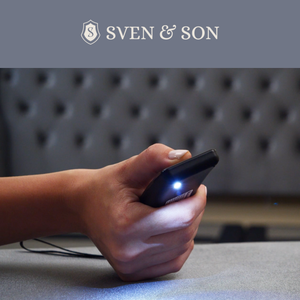
The Bliss Series has a preset button right on the remote labeled 'Anti-Snore.' You press it once and the head section elevates to the optimal angle. That's it. No adjusting, no guessing. My wife moved back into the bedroom on night three.






The GERD improvement was even more dramatic than the snoring. I went from waking up with acid burn 4-5 nights a week to zero within the first two weeks. My gastroenterologist reduced my omeprazole dosage at my next appointment.
"My wife said she forgot what it was like to sleep in the same room as me. Now she doesn't want to sleep anywhere else."
Here's what nobody tells you about CPAP machines: they're loud, they dry out your sinuses, the mask leaves marks on your face, and they make you feel 30 years older than you are. An adjustable bed does the same job for mild-to-moderate apnea without any of that.
If your doctor has mentioned sleep apnea, GERD, or chronic snoring - ask them about elevated sleep before committing to a CPAP. And if you have an HSA or FSA, this purchase qualifies. Mine was covered entirely by health savings.